
Over mid-winter break, I visited Vancouver again for the third time with my family. Even though I am familiar with the benefits this city has to offer, I still find my mouth watering at the sight of traditional Chinese dishes and marvel at the natural beauty while crossing the Capilano Suspension Bridge. Other tourist spots like Stanley Park and the Granville Island Public Market, combined with Vancouver’s reputation for environmental sustainability and cultural diversity, explain why it functions as a major Canadian city and a cross-cultural bridge.
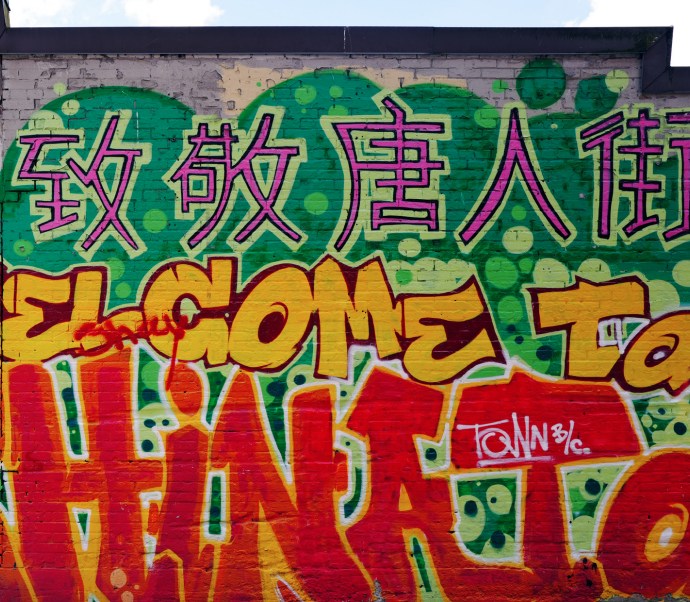
One of Vancouver’s most distinctive features is its Chinese diaspora, largely concentrated in Chinatown. As the oldest and largest Chinatown in North America, it initially provided a space for early Chinese immigrants facing the Chinese Exclusion Act of 1923 to unite and advocate for rights. Nowadays, it continues to preserve Chinese culture.

Local initiatives like the Vancouver Chinatown Revitalization Committee and the “Chinatown Vision” and Neighbourhood Plan explicitly strive to protect both the tangible heritage and the intangible culture of Chinese communities, like calligraphy and the dragon dance performance. Since I have been craving the timeless comfort and flavors of home, the authentic restaurants offering dim-sum dishes and steamed buns were a go-to destination for me.
What truly distinguishes Vancouver from other metropolitan areas is its abundance of green space. In particular, the Capilano Suspension Bridge offers visitors an immersive experience in the city’s lush natural landscape. After crossing a wobbly bridge overhanging a turbulent river, we arrived at a cozy cafeteria and ordered hot chocolate, saving us from the chilling winter.
Another natural enclave within Vancouver, Stanley Park provides an escape from the fast-paced urban life. People of all ages biked along the scenic trails encircling the lake, while seaplanes carrying tourists glided overhead against the Vancouver skyline, leaving an indelible impression on everyone aboard. In the southeast corner of the park stand nine First Nations totem poles that preserve and honor Indigenous culture.
Last but not least, the peninsula home to Granville Island Public Market feels less like a tourist attraction and more like a shared neighborhood space. Here, both locals and tourists shopped for handmade crafts, local delicacies, and fresh fruits.
Barter is a common practice, yet it is precisely this exchange that infuses the market with a sense of warmth. In addition, casual conversations between vendors and visitors foster cross-cultural exchanges of perspectives and ideologies. As we wander through the bustling aisles, the market’s vibrant energy offers a glimpse into the everyday life of the city beyond its scenic landmarks.
Together, Vancouver’s blend of cultural heritage, natural beauty, and everyday human connection makes it a city where people from all backgrounds feel welcomed and included. I look forward to, one day, visiting this unique city again and continuing to explore its many possibilities.