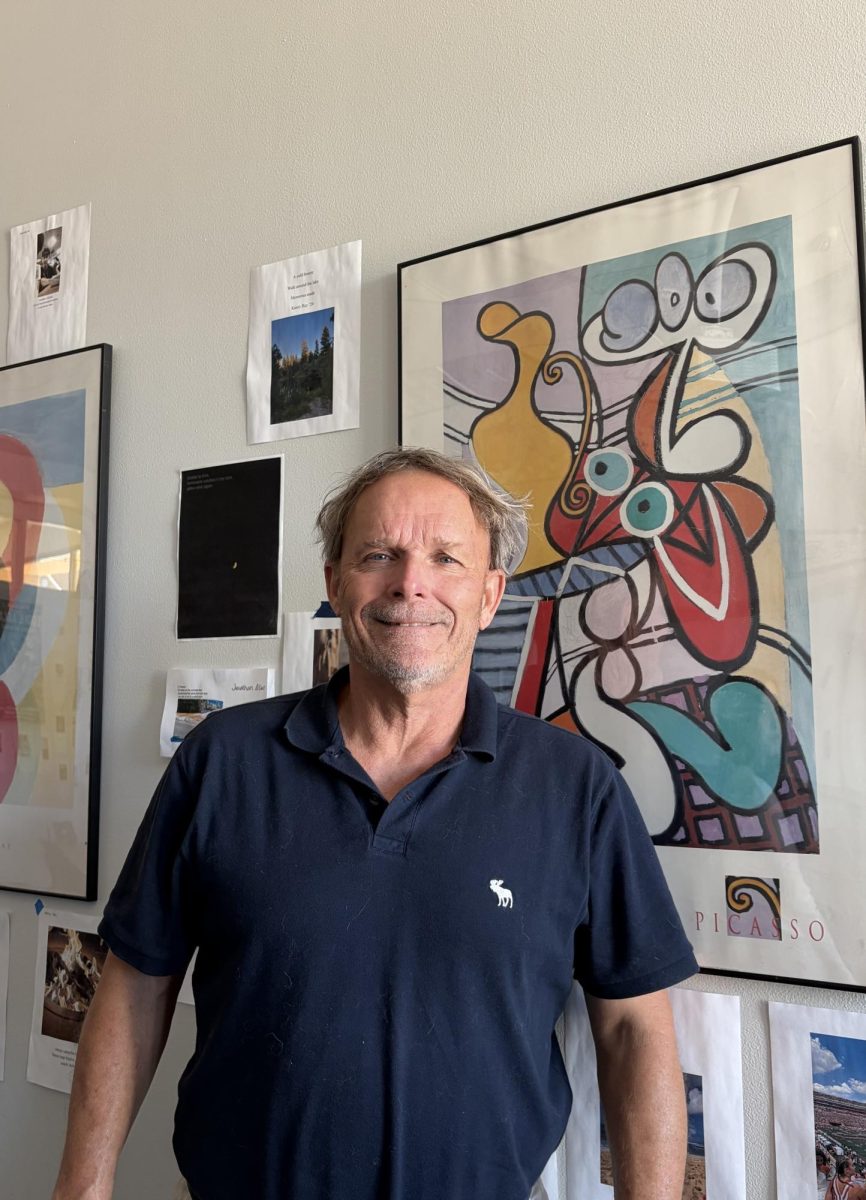

Lesly fills out the same paperwork every two years. She works, submits background checks, employment authorizations and proof of residency every 24 months in hopes to renew her tenuous immigration status. Instead of living in fear of the unknown however, Lesly finds peace in prayer and her church community.
For 13 years, Deferred Action for Childhood Arrivals helped undocumented individuals by providing temporary legal protection to live and work in the United States. Founded by President Barack Obama’s administration in 2012, the program was created after Congress voted down the DREAM Act, which hoped to allow young undocumented people a pathway to citizenship.
Lesly, an early recipient of DACA, who now works for the California government, exemplifies how DACA has been beneficial in shaping her life in America. The
Bolt
is withholding her last name to protect her safety.
Raised in a Spanish-speaking household, where her family cherished their Mexican heritage, Lesly did not come to learn American culture until adulthood. Although she is bilingual and grew up solely speaking Spanish with her parents, it was not until over 20 years later that DACA allowed Lesly to visit her family in Mexico and return home. Lesly had created close connections with her distant relatives over phone conversations, and for much of her family this reunion was one of the first times they could hug and talk face to face.

Although there is no pathway to citizenship through DACA yet, the program has helped Lesly and her family through jobs, and financial stability.
“We understand that DACA is a privilege that not everyone has. We recently bought a home, and that would not have been possible without DACA,” she said.
Lesly is grateful for the program, but still points to policy that DACA requires their recipients to meet. Every two years, DACA recipients must apply to renew their residency status, and show they’ve maintained a clean background check and consistent employment.
“Two years goes by really fast, and the hard part of being in DACA is that I don’t know what life is like in Mexico,” Lesly said.
As DACA cannot guarantee lifetime residency in the United States, Lesly copes with the uncertainty through factual evidence and faith.
“I think for my family we didn’t have a lot of fear as we knew everything that happened was in God’s will.” Lesly’s trust in the idea that “everything happens for a reason” eased her in knowing that she will end up where she needs to be. Lesly’s diligent research into the fine print of immigration law had brought her peace in understanding the legal guardrails that protected her safety.
“Fear is not as persistent with the research. Just because it goes viral doesn’t mean it’s a reliable source,” she said.
Lesly said she encourages others to jump at every opportunity given to them, and value education, as with DACA she is grateful that she can call the United States her home.
“Even if at some time in the future I had to go back to Mexico, I wouldn’t be as prepared without DACA. We have to give to be given equal opportunity.”